

Think about how many gadgets you’ve owned in the past decade—smartphones, laptops, tablets, chargers, headphones. Now imagine what happens when all of those devices reach the end of their life. Most of them don’t just vanish; they become electronic waste, or e-waste. Today’s tech-driven life moves quickly, and that naturally means more gadgets reach the end of their use.
But the good news? These devices can continue contributing in meaningful ways when they are sent for electronic recycling. It’s simpler, smoother, and far more rewarding than most people expect, especially when you understand how this process supports a healthier environment.
In this blog post, I will explain the environmental impact of e-waste and explore how electronic recycling helps us turn a global problem into a sustainable opportunity.
Why Electronic Recycling Matters
Electronic recycling supports a cleaner and more thoughtful approach to handling gadgets that are no longer needed. It creates a positive cycle where materials, components, and even entire devices can serve new functions instead of being wasted.
This process inspires confidence because it transforms old electronics into valuable resources. Many organizations also appreciate recycling as a smart part of responsible IT planning.
When businesses want to manage their outdated tech in an organized way, services like ITAD Ontario provide reliable solutions that keep things simple while ensuring devices are handled with care.
How E-Waste Recycling Protects Natural Resources
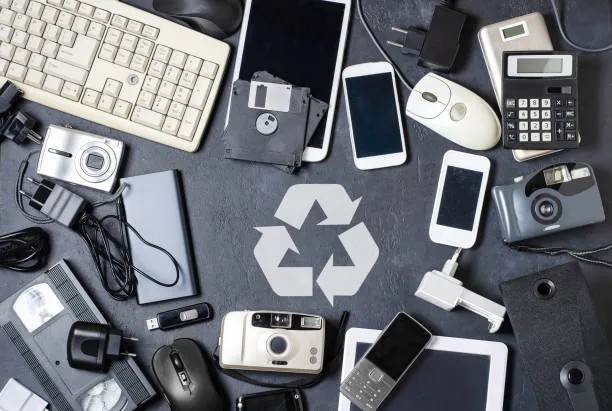
Electronic recycling supports natural resource conservation by allowing materials such as metals, plastics, and glass to be recovered and used again. These materials are carefully sorted, processed, and prepared for new applications. This approach supports efficient use of resources and encourages thoughtful consumption.
It also promotes a more mindful relationship with technology. Instead of focusing on disposal, recycling creates a positive loop where every device contributes something meaningful, even after retirement.
Recycling Helps Reduce Raw Material Extraction
By reusing the materials of the old electronics, the necessity to extract new resources will be reduced. This aids in the conservation of natural factors, which can only be restored after many years. These reusable parts are advantageous to many industries, and they help to make a more sensible and considerate attitude towards production.
Recycled Materials Support New Innovations
Recycled metals, plastics, and electronic items are usually reused in production. Modern products, whether they are gadgets or homeware, often contain recycled elements. This will bring a refreshing taste of continuity- your old device might reappear in new and better form.
How Electronic Recycling Encourages Cleaner Communities
The communities feel the advantages of the recycling process as it helps to make the environment clean and tidy. It allows maintaining a clean environment, decreases the number of things lying around, and encourages responsible behaviors within the community. It is a pleasure that people like to know that they are contributing to something positive just by sending their used gadgets to the right place.
Recycling Centers Support Local Initiatives
A lot of recycling centers contribute to the sustainability of the area. They work together with the community programs, schools and businesses to create awareness and promote responsible handling of gadgets. Such partnerships make people feel a sense of collective responsibility and encourage more people to act.
Communities Benefit From Organized Recycling Programs
Organized recycling programs bring a smooth and reliable rhythm to how people manage old electronics. With structured services and helpful guidance, communities feel supported and informed. This shared clarity results in a cleaner space and a more positive approach toward everyday tech use.
The Role of Businesses in Supporting Positive E-Waste Practices
Businesses play a meaningful part in creating long-term positive recycling habits. With more companies adopting structured recycling systems, the impact becomes collectively beneficial. Responsible IT management boosts confidence among employees and customers because it reflects thoughtful decision-making.
Companies Gain Value Through Responsible Electronics Handling
When companies recycle electronics through certified programs, they receive organized reporting, smooth processes, and a sense of clarity. Devices are logged, sorted, and prepared for reuse or recycling with proper documentation. This helps companies stay organized and maintain reliable records.
Sustainable Practices Build Trust and Reputation
Companies that adopt strong recycling habits create a positive impression. Customers and employees feel confident knowing the organization values environmental care and thoughtful handling of technology. This contributes to a well-rounded and inspiring brand identity.
Conclusion
Recycling of electronic materials is a refreshing and meaningful way of dealing with devices that have done their primary task. It promotes resource prudence, cleaner towns, and assists companies in remaining organized as well as contributing to a more eco-friendly lifestyle.
With the increased awareness of people on the importance of recycling their electronic devices, the beneficial effect keeps on increasing, and each old device can become a choice to make the world a cleaner and more considerate place.

